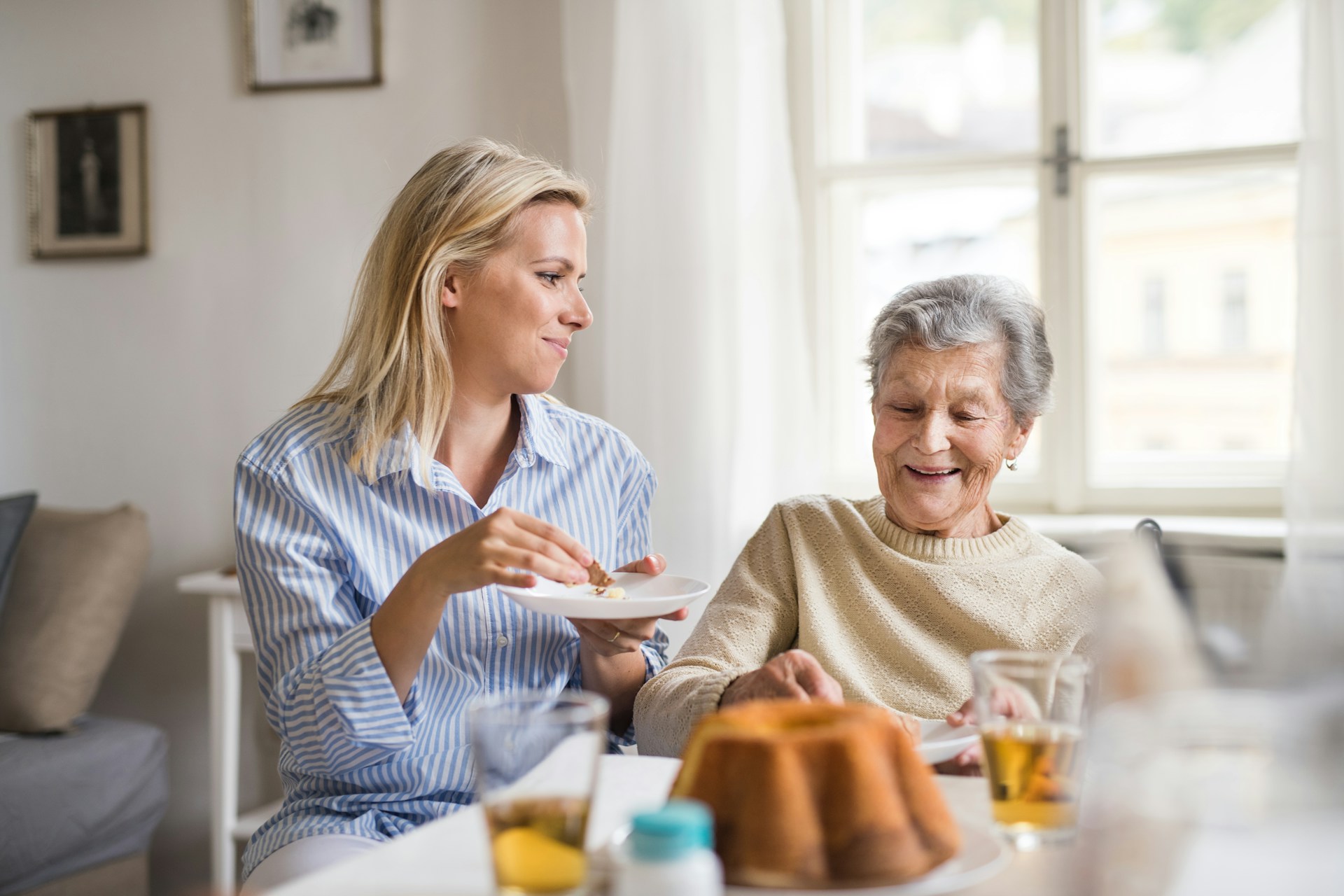
Non-medical home care services focus on supporting seniors with daily needs while helping them stay comfortable at home. These services aren’t medical in nature. Instead, they cover things like meal prep, housekeeping, dressing, and friendly check-ins. For many families, this level of care steps in right when everyday tasks begin to feel too tiring or risky for loved ones.
It’s common to feel unsure about whether outside help is needed or when to get started. Many families try to handle everything themselves until it’s clear they need extra hands. Helping a senior stay safe and independent without removing their sense of control or home routine is one of the biggest goals. That’s where non-medical support can make a real difference.
What Makes Non-Medical Care Different from Medical Care
Medical care is usually tied to health treatment like wound care, therapy, or monitoring a serious condition. These services are provided by licensed health workers. By contrast, non-medical care comes from caregivers who focus on comfort and daily living.
This kind of help might include:
• Assisting with grooming and bathing
• Cooking simple meals or helping at mealtimes
• Tidying up the living space or running light errands
• Being present for companionship, conversation, or games
Without needing to involve clinical tools or treatments, caregivers in non-medical settings offer consistency and support. These everyday tasks, while simple on the surface, carry a bigger purpose. They reduce stress for seniors and create safer routines that support long-term health without medical involvement.
At The Next Chapter, care plans are flexible and can be adapted to include personal care, light housekeeping, meal preparation, and safety supervision. Our team can provide support a few hours a day or around the clock, depending on each person’s routines and preferences.
How Non-Medical Support Helps Seniors Stay Independent
When movement slows down or energy runs low, smaller tasks can turn into risks. An unattended kitchen mess or a skipped meal can snowball into larger problems. Having regular care in place can keep things from getting to that point.
We’ve seen how:
• A caregiver helps prevent falls by assisting with walking or nearby support
• Reminder-style help with meals and water keeps energy steadier throughout the day
• Depending on someone for daily hygiene makes it easier for seniors to keep their dignity
Even more than help around the house, many seniors feel lifted by the regular social interaction. Simple things like chatting while folding towels or sharing lunch with a caregiver can ease loneliness. This quiet support helps them feel seen, not just cared for.
Knowing When Non-Medical Help Is a Good Fit
Timing matters. Sometimes the shift comes slow, missed appointments, a dirty kitchen, unopened mail. Other times it’s a fall or a call from a neighbor. Families may hesitate at first, unsure whether it’s too soon or too late.
Signs that extra help may be needed:
• Increased forgetfulness when managing medications, eating, or appointments
• Physical changes, like weight loss or difficulty standing without support
• Mood changes stemming from stress, isolation, or confusion
• Tiredness or burnout in family caregivers
Bringing up care options can be hard, but honesty helps. Explain that bringing in support is about improving comfort, not removing control. Starting small, like one afternoon a week, often feels more welcome. Once the routine settles, many seniors appreciate the relief it brings.
Matching Care Services to the Season in Arizona
As we near the cooler months, it’s common for seniors to stay indoors more. That means fewer trips out, changes in sunlight routines, and more time alone at home. For Arizona, December can still have shifts in temperature, especially in the early morning or late evening.
Non-medical help often steps in to:
• Prepare warm meals and make sure seniors eat regularly when routines change
• Provide indoor activities that keep the mind engaged and the mood lifted
• Help maintain warmth around the house through clothing reminders or heater use
When it’s too chilly for daily walks, social time inside becomes more important. A caregiver might do puzzles, read aloud, or just sit and chat. This contact, while simple, helps hold off seasonal sadness and keeps the day from feeling too slow or quiet.
Building a Reliable Routine That Supports Senior Wellness
Having a familiar face day after day makes the difference between care that feels stressful and care that feels natural. Once seniors know what to expect, they settle into the flow. This steadiness can prevent confusion while building trust over time.
Here’s how a regular routine helps:
• Creates a natural rhythm around meals, hygiene, movement, and rest
• Reduces daily uncertainty that could cause anxiety or frustration
• Builds familiarity, where preferences and habits are remembered without being asked
Over time, this connection can grow to feel like a friendship. Even without handling health matters, caregivers contribute to emotional well-being just by showing up when expected.
At The Next Chapter, background-checked caregivers provide a caring presence that matches each client’s personality, interests, and daily schedule. Our team is dedicated to helping seniors stay comfortable, connected, and safe in their own homes for as long as possible.
A Care Choice That Supports Comfort and Connection
The heart of non-medical home care services isn’t treatment, it’s connection, comfort, and consistency. These small daily supports, whether it’s making oatmeal or reminding someone where their glasses are, carry more weight than we often realize.
When families feel relief, and seniors feel more at ease in their own homes, wellness goes beyond just staying safe. It becomes about feeling like yourself. If you’re wondering whether this kind of care would help your loved one, it may be time to talk about what daily comfort really looks like.
At The Next Chapter, we believe everyday comfort starts with the right kind of support. When tasks like meal prep, personal care, or companionship become more challenging, having consistent assistance can make all the difference. Thinking about how to care for someone you love? Our approach to non-medical home care services keeps their independence front and center while easing daily stress. We’re here to help make staying at home feel manageable and familiar again. Reach out to discuss what kind of help could be the right fit.