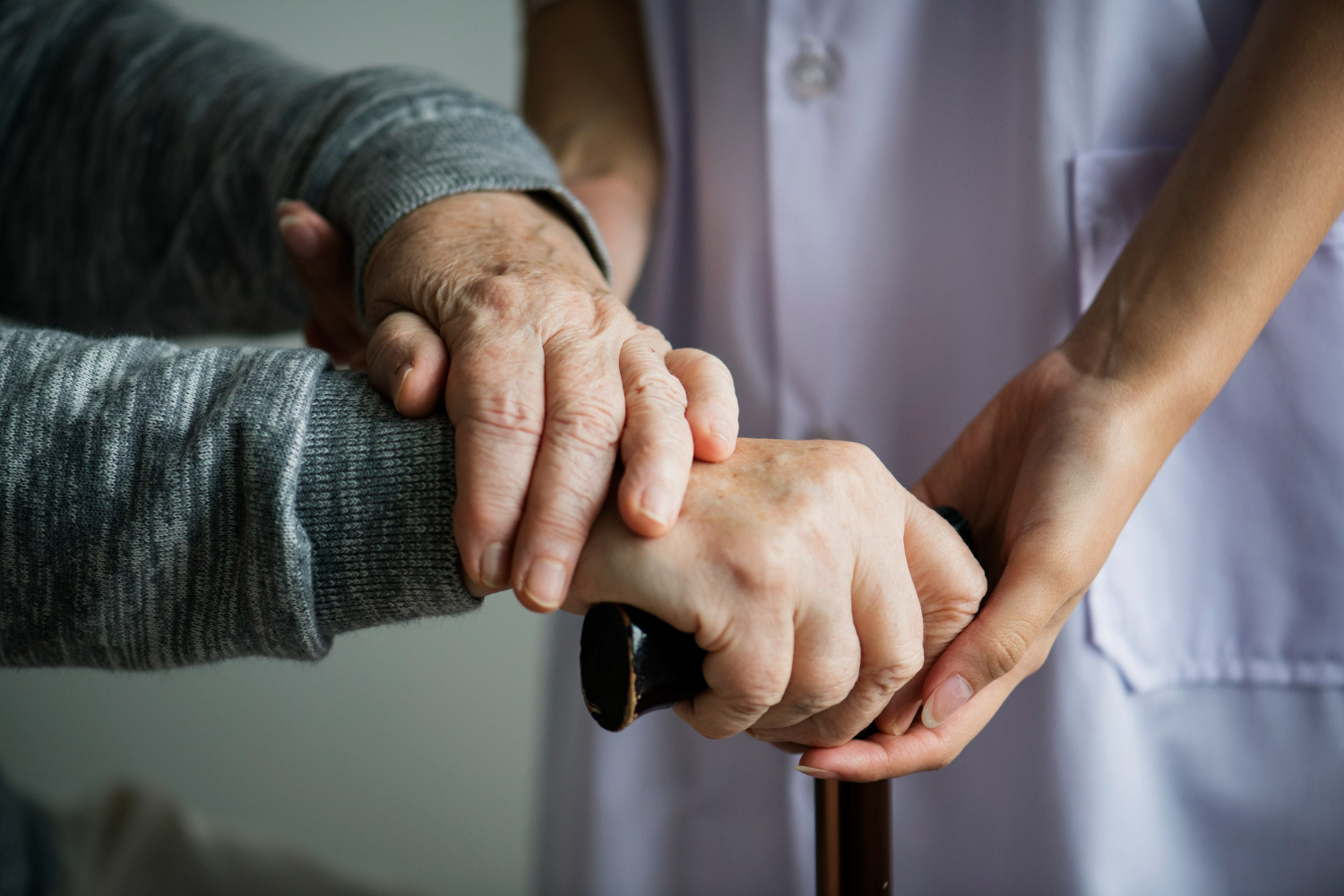
When someone in the family starts needing more help, it’s natural to start looking for ways to support them without having to change everything about their life. Staying at home where things feel familiar can make day-to-day living more comfortable. That’s where non-medical home care services come in.
These kinds of services offer steady support with things like dressing, preparing meals, and keeping up with routines, without medical treatment being part of the care. They’re a way for families to share responsibility so no one feels overwhelmed. With a little extra help each day, seniors can hold on to what’s most important to them while families feel reassured that someone is looking out for their well-being. Having routines in place can help provide stability and comfort, allowing seniors to feel secure without giving up the place they know best.
Understanding What Non-Medical Home Care Means
Non-medical home care is different from medical support or nursing care. It doesn’t involve giving shots, managing wounds, or checking vital signs. Instead, this type of care focuses on helping with daily tasks that make life easier and safer at home. Families use it when their loved ones need regular help but don’t need medical treatment on an ongoing basis.
- Services often include grooming, dressing, meal prep, light cleaning, and companionship
- Some caregivers help with shopping, organizing medication reminders, or rides to appointments
- Care plans are usually adjusted over time based on what the senior needs and prefers
Non-medical home care is not just about task completion. It is about fostering a supportive environment that allows seniors to go about their normal days with minimal disruption. Because it’s not one-size-fits-all, families often choose care that moves with their loved one’s routine. Small, consistent helps build trust and comfort without changing what already works. The support can be as light or as regular as needed, which gives both seniors and their families options and a sense of reassurance. Home care workers often build lasting relationships that create a familiar, friendly presence each day.
When Families Start Considering Help at Home
It’s easy to miss the early signs that someone could use a hand. Maybe the fridge is often empty, or meals are skipped. Maybe a favorite hobby has been dropped, or clothes pile up in the laundry room. These changes don’t always mean something serious has happened, but they’re often a clue that the day feels harder to manage than it used to.
- Changes in routine, like missed meals or trouble with hygiene, are common signs
- If a home is less tidy than usual or bills aren’t being handled, that can be another signal
- When stress builds for family caregivers, or they feel uneasy about leaving someone home alone, it may be time to get help
Noticing these signals can be difficult for families. Often, there is uncertainty about when to step in, and family members may worry about intruding. Non-medical home care services give families room to breathe. While caregivers take care of errands or daily needs, loved ones can stay connected and continue making their own choices. This approach preserves dignity and independence, while also providing a safety net so families don’t feel alone in managing new challenges that arise as people grow older.
How Non-Medical Home Care Fits Into Daily Routines
One of the strongest benefits of this kind of home care is how well it can fit into whatever routine is already in place. Whether it’s a morning coffee, an afternoon walk, or watching a favorite program at the same time each evening, caregivers adjust around what matters most to the person they’re helping.
- Morning care might include help with bathing, fresh clothes, or breakfast prep
- Caregivers often assist with lunch, light movement throughout the day, or simple household tasks
- Afternoon and evening routines may include shared meals, calm conversation, or preparing for bedtime
When help shows up on time and follows the same rhythm each day, it helps build trust. It also lowers stress by keeping the day consistent and predictable, which is comforting for both seniors and their families. Over time, caregivers become part of the person’s daily life, understanding not just what needs to be done, but how and when their help is most needed. Families find comfort in knowing their loved one is supported in a way that respects existing habits and honors individual preferences. Routines are powerful for mental health, too, creating a sense of purpose and known expectations every day.
Questions Families Often Ask Before Getting Started
Families usually have quite a few questions before starting non-medical care in the home. Knowing how things work in advance helps everyone feel more confident in the decision.
- How do we know how much care is needed? Most families start by reviewing their loved one’s day to see where the biggest challenges are
- What does the schedule look like? Some families need daytime visits a few times a week, while others prefer someone to check in daily or during specific times like evening meals
- What will it cost and how flexible is the plan? Each family manages this differently, and many find it helpful to start small and adjust as needs change
These questions are often the start of open discussions about what each family member can contribute or manage, and how external support might fit in. Getting answers ahead of time makes things easier for everyone. It helps set clear expectations, and it gives families a sense of control in a situation that can feel uncertain at first. Conversations about care needs also help clarify the distinction between the roles families want to take on themselves and the areas where bringing in a trained caregiver brings needed peace of mind.
The Comfort of Staying Home with the Right Help
When someone has lived in the same place for years, the idea of leaving home can feel overwhelming. Familiar items, favorite chairs, a well-loved kitchen, all these small things bring comfort. With the right kind of support, those favorites don’t have to be given up.
- Being able to stay home gives seniors more room to make their own choices
- Care feels less disruptive when it blends into regular habits rather than changing them
- Over time, consistent support often leads to closer connection and a calmer daily rhythm
Receiving care at home can help preserve the traditions and spaces that matter most while promoting independence. Families see daily life becoming more manageable, not swept away by change, which provides lasting emotional benefits. When needs are met with patience and flexibility, it brings relief without taking away a person’s independence. Loved ones retain their favorite surroundings while gaining support that fits in, not takes over. Families often feel more peace of mind as well, knowing their loved one isn’t alone as seasons change or routines shift. That connection matters, both for those giving care and those receiving it. Home becomes a source of strength, a place where memories are made and continue to be honored.
When daily tasks start to feel overwhelming but medical attention isn’t necessary, having dependable support nearby can make all the difference. We provide flexible assistance that fits seamlessly into daily routines, helping with meal preparation, light housekeeping, and staying socially engaged. To discover how our non-medical home care services can bring peace of mind and make life easier for someone you care about, contact The Next Chapter to start the conversation.